Beyond the Last Bus: Getting Between Steyning, Bramber and Shoreham When the Timetable Runs Dry
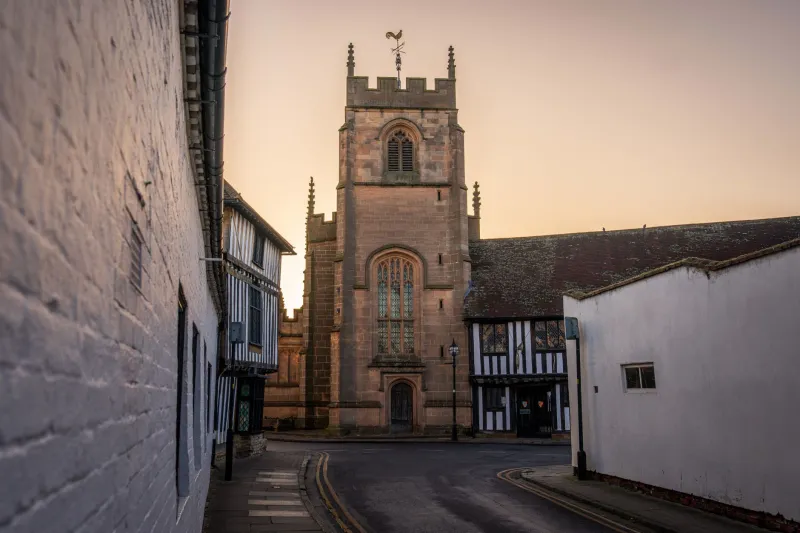
Steyning, Bramber and Upper Beeding sit four or five miles inland from Shoreham, a straight run down the A283. On paper that is nothing — fifteen minutes with a fair wind. In practice the journey gets awkward at the edges of the day, when the buses linking the villages to the coast start to thin out and the departure you were counting on has quietly stopped running.
This is a guide to that gap: where the timetable tends to fail, how far ahead to book, what to tell a driver so they find you first time, and what a village run should reasonably cost in 2026.
The timetable is thinner than the map suggests
Village bus services get re-timed, re-routed or handed between operators every few years, and the pattern is always similar. The morning peak into Shoreham and Worthing survives because it carries workers and students. The middle of the day muddles along. The evening, Sunday and school-holiday services are the first to be trimmed, and once they go they rarely come back in the same shape.
Check the operator's current timetable before you build a day around a bus. Leaflets in the village shop have a habit of being a season out of date, and the flag at the stop rarely tells the whole story. If a friend says 'there's a bus about half six', treat that as a rumour until you have seen it written down.
Where the gaps bite hardest
- The late train. A London service that lands at Shoreham station after the last village connection leaves you on the coast with a five-mile problem.
- Sunday afternoons. Visiting family in Bramber or Upper Beeding and heading home after tea is the classic no-bus scenario.
- School holidays and inset days. Term-time capacity disappears, and anything built around the school run collapses.
- Evenings out. A meal in Shoreham or a drink in Steyning is easy to start and surprisingly hard to finish without a lift.
- The short hops. Bramber to Steyning is a twenty-minute walk in daylight and a much longer one in the rain, along a stretch that is not lit for much of the way. Plenty of people would rather pay the minimum fare.
How far ahead to book
For a village pickup, a day's notice is comfortable. Two days is sensible if you have a train to catch, a hospital appointment or an early flight, because the car has to be scheduled rather than found. Same-day bookings usually work with 45 to 60 minutes' warning, but Friday and Saturday evenings between six and nine are the pinch — book in the afternoon or accept that the answer may be no.
One thing genuinely helps: say why the timing matters. 'I need to be at Shoreham station for the 07:42' gives the office something to work with. 'As soon as possible' does not. If your plans shift, ring back as early as you can rather than at the moment the car is due; a driver already halfway up the A283 cannot easily be un-sent.
Pickup points that work after dark
Steyning High Street is narrow, parked-up on both sides and easy to get wrong. The Clock Tower is the landmark everybody knows, and 'outside the Clock Tower' beats a house number every time. Elsewhere along the street, name the shop you are standing outside — the Co-op, the bakery, whichever door you are leaning against — and add which side of the road you are on. The leisure centre car park is a reliable alternative when the street is busy, and the Grammar School is the obvious choice at pick-up time, though traffic there at ten past three is a story for another day.
Bramber is a village strung along the main road, which means 'Bramber' on its own can send a car to completely the wrong end. Say the castle car park, or the church, or the pub, and the message lands. Upper Beeding has the same problem in miniature: the village hall, the bridge and the pub are three different places, and all three get used as shorthand.
On the Shoreham side, the station forecourt and the Holmbush car park are the two dependable meeting points. Whichever end you are at, give the postcode, the side of the road and something visible from the driver's seat, then add a phone number in case the street has other ideas.
What the run should cost
As a rough guide for weekday daytime in 2026: hops within Steyning or between Bramber and Steyning usually land at or near the minimum fare. Steyning to Shoreham town centre tends to sit in the mid-teens, with the station a few pounds more, and Upper Beeding to Holmbush in a similar bracket. Evenings, Sundays and bank holidays carry a premium, as they do everywhere.
Ask when you book whether the figure is fixed or metered. A fixed price is worth having when the A283 is down to one lane and the diversion adds ten minutes.
When the village has other ideas
Festival weekend, the Christmas lights switch-on, a big service at the church: the High Street can close at short notice and the one-way system stops making sense. Roadworks on the bypass or at Beeding Bridge send everyone the long way round, and when the Adur levels are up, the low roads between the villages and the coast are the first to suffer.
None of that is a reason to cancel — it is a reason to build in ten minutes and to keep your phone on. A driver who can reach you will find a way round; a driver ringing an unanswered number will not.
A short checklist before you press book
- Name the pickup landmark, not just the village.
- Give the postcode and say which side of the road.
- Add a mobile number and keep it audible.
- Say the time you need to arrive, not just the time you want collecting.
- Mention luggage, buggies, dogs or extra passengers at the booking stage.
- Ask for a fixed quote if the route could be disrupted.
The villages are not remote, and the coast is not far. It just pays to plan the last leg of the day before the timetable makes the decision for you.